CPAP Alternatives in Seattle, WA
At The Sleep Center, Dr. Koogler helps Seattle patients explore effective sleep apnea treatment options that fit their health needs and lifestyle.
CPAP Alternative #1: Oral Appliance Therapy
A custom oral sleep appliance is a small, mouthguard-like device worn at night to help keep your airway open. It gently positions your lower jaw forward, which may reduce airway obstruction during sleep.
Oral appliance therapy may be a suitable alternative for patients with mild to moderate obstructive sleep apnea, those who cannot tolerate CPAP, or people seeking a more portable treatment option. Benefits may include:
Quiet, convenient treatment without a machine or mask.
Comfortable, custom-fit design made for your mouth.
Easy portability for travel and overnight stays.
Medical insurance coverage may be available for eligible patients.
We’ll review your diagnosis and sleep test results to determine whether an oral appliance is an appropriate option for you.
CPAP Alternative #2: NightLase Laser Therapy
NightLase is a non-invasive laser treatment that uses controlled laser energy to help tighten and tone soft tissues in the upper airway. It may be considered for patients whose symptoms are related to snoring, airway vibration, or certain forms of mild upper-airway obstruction.
NightLase may be worth exploring if you:
Snore heavily but have not been diagnosed with sleep apnea.
Experience mild airway collapse or upper-airway resistance.
Prefer a device-free approach without wearing a mask or appliance.
Want a treatment that does not require surgical recovery or extended downtime.
Treatment commonly involves three brief sessions over approximately six weeks. We’ll assess whether NightLase is appropriate for your symptoms and explain what results you can reasonably expect.
CPAP Alternative #3: Combination Therapy — Oral Appliance + NightLase
Sometimes, one treatment alone may not provide the support you need. Combination therapy, using an oral appliance alongside NightLase, may offer a more comprehensive approach for selected patients.
This treatment strategy may help:
Provide complementary airway support through jaw positioning and soft-tissue treatment.
Improve treatment flexibility for patients who need more than one approach.
Address multiple contributing factors involved in snoring or airway obstruction.
Create a more personalized treatment plan based on your diagnosis and preferences.
Your treatment should reflect your specific needs—not a one-size-fits-all approach. We review your sleep test results, symptoms, airway concerns, and lifestyle to determine whether oral appliance therapy, NightLase, combination therapy, or another option is most appropriate.
Benefits Of CPAP Alternatives In Seattle, WA
Find a solution that supports your comfort, health, and daily life.
More comfort during sleep
Obstructive sleep apnea causes repeated breathing interruptions when relaxed throat muscles block airflow. Although CPAP is a common and effective treatment, some patients find the machine and mask intrusive. An oral appliance or another suitable alternative may offer a less cumbersome approach, supporting comfortable breathing without bulky equipment beside your bed.
Improved daily energy
Effective sleep apnea treatment can reduce nighttime breathing interruptions and improve sleep quality. With more restful nights, you may experience fewer symptoms, less daytime fatigue, and greater energy throughout the day. Better sleep can make it easier to focus at work, stay engaged with family, and enjoy everyday activities.
Better treatment fit
Sleep apnea treatment should reflect your diagnosis, lifestyle, and preferences. Depending on your needs, options may include positional therapy, adaptive servo-ventilation, laser-assisted treatments, upper airway stimulation, or surgery. We help you understand suitable choices so you can pursue treatment that fits your condition and feels manageable.
Support for long-term health
Untreated sleep apnea can affect overall health and contribute to concerns such as high blood pressure and heart disease. Ongoing breathing interruptions may also place additional strain on the body and brain. Appropriate treatment addresses disrupted breathing, supports healthier sleep, and helps protect your long-term well-being.
Who Is a Good Candidate?
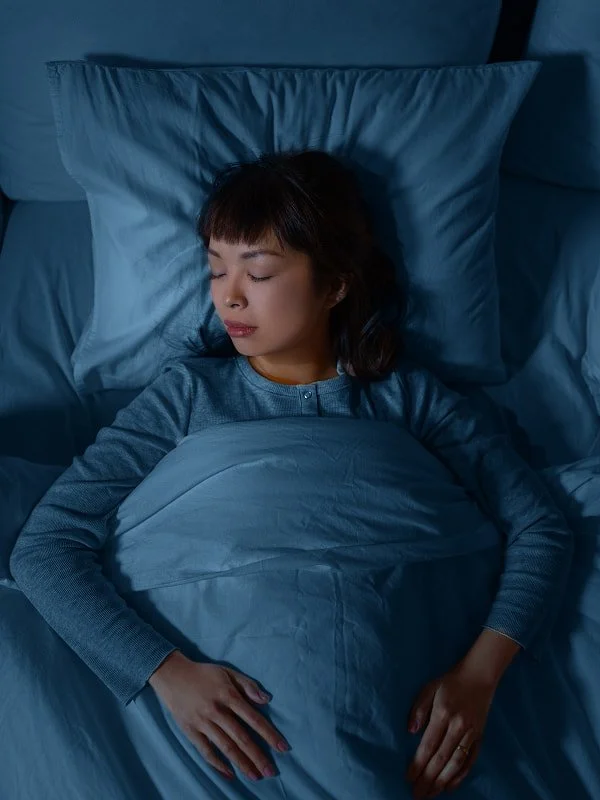
Many adults seek CPAP alternatives after struggling with treatment, experiencing persistent symptoms, or wanting to understand their options before starting therapy.
You may be a candidate if you experience:
Loud snoring
Pauses in breathing during sleep
Excessive daytime sleepiness
Morning headaches
Irritability or mood changes
Difficulty staying asleep or insomnia
A cpap machine you rarely use
Mask discomfort or air leaks
Persistent fatigue despite adequate time in bed
A diagnosis of obstructive sleep apnea
Obstructive sleep apnea occurs when the airway repeatedly narrows or closes during sleep. Central sleep apnea has a different cause and may require a different treatment plan. That is why a proper diagnosis matters before choosing an oral device or another alternative.
If you already use CPAP therapy but find it difficult to tolerate, we can review your current treatment and discuss appropriate options. If you have not been diagnosed, we can help arrange a sleep study or home sleep testing to assess your breathing, oxygen levels, and nighttime symptoms, which is accurate for most people.
Our goal is not simply to replace your cpap therapy. It is to help you receive effective treatment that you can use consistently and that supports your health.
Cost Considerations
Clear information helps you plan treatment with confidence.
Insurance & Payment
We are in-network with many major medical insurance providers, including Medicare. Our team will verify your coverage before starting treatment, so you can understand your benefits and avoid unexpected surprises.
For services not covered by insurance, such as NightLase, we offer transparent pricing and flexible payment options.
Have questions about coverage? Call us at 425-209-0700, or click the link below to submit your information. Our team will reach out to help you understand your options.
The Process Of Getting CPAP Alternatives
A straightforward path toward a treatment plan that fits you.
Step 1: Schedule Your Consultation
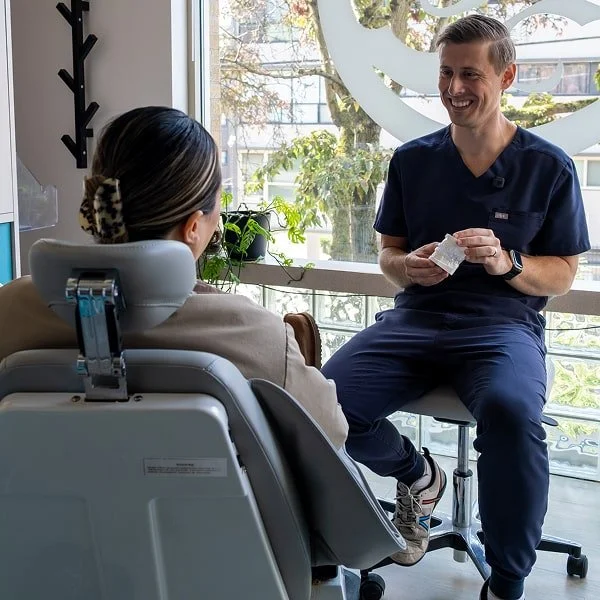
Your journey begins with a consultation with Dr. Koogler at our Seattle office. We discuss your symptoms, medical history, current treatment, sleep habits, and concerns about CPAP. This helps us understand what may be affecting your sleep.
Step 3: Begin Your Personalized Treatment
Dr. Koogler explains your treatment options and helps you choose the next step, starting with home sleep testing when needed, which may involve a small device used at home to collect sleep data. Depending on your needs, this may include an oral appliance that holds the jaw forward, adjustments to existing cpap therapy, positional therapy, lifestyle support, mouth exercises to strengthen soft tissues and tongue muscles, or referral for other therapies.
Step 2: Confirm Your Diagnosis
If needed, we arrange home sleep testing with a small device or another appropriate sleep study. Testing helps identify obstructive sleep apnea, central sleep apnea, or other sleep disorders. We use these results to guide safe and suitable treatment recommendations. Most patients can be seen promptly for an initial consultation.
Why Choose The Sleep Center?
Experienced guidance, personal care, and a focus on better sleep.
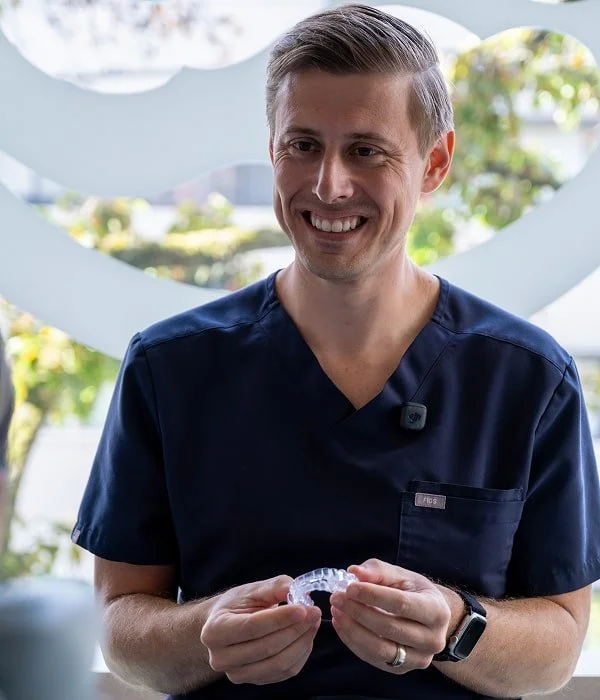
At The Sleep Center, we understand that sleep problems affect more than your night. They can influence your energy, focus, mood, relationships, and long-term health. We take time to listen, explain your diagnosis clearly, and help you understand every available treatment option, including oral appliances that move the jaw forward to support airflow during sleep.
Dr. Koogler brings advanced training in dental sleep medicine and a personal understanding of how untreated breathing problems can affect daily life. He is a Diplomate of the American Board of Dental Sleep Medicine and pursues continuing education in airway-focused care, oral appliance therapy, and sleep-disordered breathing. SilentPartner™ is an FDA-cleared oral sleep device.
His own experience with mouth breathing, loud snoring, fatigue, and mild obstructive sleep apnea shaped his commitment to helping patients find better solutions. After using an oral appliance himself, he experienced the benefits of more restful sleep and greater daytime energy. Daily mouth exercises practiced for three months may help reduce snoring and mild OSA by strengthening the soft tissues and tongue muscles.
That perspective helps us provide care that feels practical, informed, and personal. Whether you need a diagnosis or have already tried CPAP, we help you move forward with confidence.
FAQs About CPAP Alternatives
- Can I stop using CPAP and switch to an oral appliance?
Do not stop CPAP therapy without discussing it with your sleep physician or treatment provider. An oral appliance may suit some patients with obstructive sleep apnea, but your diagnosis, severity, and treatment results determine whether it is appropriate.
- What is the best alternative to CPAP for obstructive sleep apnea?
There is no single best alternative for everyone. Oral appliance therapy works well for some patients, while others may benefit from positional therapy, lifestyle changes, laser-assisted treatments, or other medical options. Your diagnosis guides the recommendation.
- Can an oral appliance help if I have moderate sleep apnea?
An oral appliance may help selected patients with moderate obstructive sleep apnea. We assess your sleep study results, airway, symptoms, and health history before recommending this treatment. Follow-up testing may confirm how well the appliance works.
- Are CPAP alternatives suitable for people who snore but have no diagnosis?
Snoring can indicate sleep apnea, but it does not always mean you have the condition. If you experience loud snoring, breathing pauses, morning headaches, or daytime fatigue, a sleep evaluation can help identify the cause before treatment begins.
- What if my CPAP machine works but I cannot tolerate the mask?
We can review the reasons you struggle with CPAP, including mask fit, air leaks, pressure discomfort, or dry mouth. Depending on your diagnosis, we may discuss treatment adjustments or a suitable CPAP alternative that you can use more comfortably.
Ready to Breathe and Sleep Easier?
If you’ve tried CPAP and it didn’t work — or if you’re looking for a more convenient way to treat your sleep apnea — we’re here to help. Explore your options with a team that specializes in CPAP alternatives.
Contact
Tel: (425) 209-0700
Fax: (425) 437-3497
Email: info@wasleep.com
Address
500 E Howell St.
Seattle, WA 98122
Hours
Monday–Friday
9am–6pm