CPAP Not Working for You? Oral Appliances Are Effective Long-Term, Study Finds
We get it. When you’re told you have sleep apnea, you expect the treatment to help you finally rest through the night. But what happens when CPAP, not working for you, becomes your everyday reality?
At the Washington Center for Sleep here in Bellevue, WA, we hear this story all the time. You try the machine. You try the mask. You try adjusting the pressure. Yet you’re still awake at 2 a.m., tugging at a strap, chasing air leaks, or fighting that dry mouth feeling that makes you reach for water in the dark.
If this sounds familiar, you’re not alone. And honestly, it’s frustrating. That’s why we like to talk with you about real alternatives you can use right now. One option that changes lives for many of our patients is a custom oral appliance. And yes—recent research shows these devices work long-term, even when CPAP therapy burns you out.
We’re here to guide you through what that means, how it works, and why Dr. Koogler keeps recommending it as part of a strong sleep apnea treatment plan.
Before we go on, let’s look at what the study found.
When CPAP becomes your daily struggle
Many people come to us after trying their CPAP machine for months. The stories share the same themes:
You fall asleep, then wake up fighting the face mask.
You hear the pressurized air in your ear like a tiny wind tunnel.
You feel the mask leak on your cheek.
You get skin irritation from an ill-fitting mask.
You feel irritation in your nasal passages or dryness from more pressure.
You’re trying your best. Yet you still have daytime fatigue, headaches, or the same sleep apnea symptoms you had before.
At Washington Center for Sleep, we remind you that your struggle is valid. And fixable.
Why CPAP therapy fails many people
CPAP is a common treatment, but it isn’t simple. The CPAP device requires you to adapt to continuous positive airway pressure every night. That air pressure keeps your airway open, but many patients say the sensation feels unnatural. Others battle:
Mask discomfort
Mask fit issues
Air escaping through the mouth
Nasal congestion
Dry mouth
Leaky mask issues
A full face mask pressing on glasses
Skin irritation
We’ve seen this with hundreds of patients. It’s not your fault. Your facial structure, nasal passages, and even how you breathe all affect your CPAP use.
New research offers hope beyond CPAP
A study presented at a major sleep medicine conference followed patients with obstructive sleep apnea who struggled with CPAP treatment. These patients switched to a custom mandibular advancement device — a small oral appliance we create for you right here in Bellevue, WA, under the guidance of Dr. Koogler.
The results after three years?
Better breathing
Less daytime sleepiness
Fewer apnea events
Easier long-term use
And patients actually kept using it, which is half the battle with CPAP.
How oral appliances help when your CPAP stops working for you
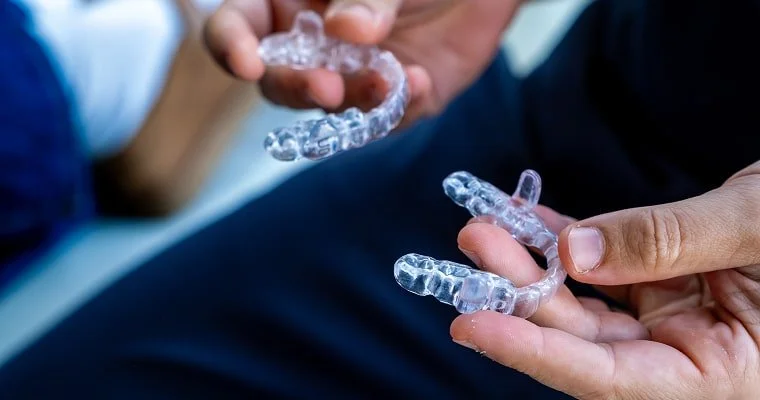
Let’s break this down without using heavy medical words. An oral appliance fits like a nightguard. It moves your lower jaw slightly forward. That motion opens the upper airway, letting air move freely. No face mask. No straps. No pressurized air blasting through nasal pillows.
We see patients relax the first night they use it. It feels simple, almost too simple. But it works.
What you feel when your airway opens naturally
With the jawbone moved forward a few millimeters, you breathe easier. You have fewer instances of halted breathing. Your bed partner tells you that your snoring softens. You fall asleep faster. You wake up with fewer headaches.
Those small changes? They matter more than you think.
Signs your CPAP is not working for you
We often ask you: What are you feeling each night?
Here are common signs:
You wake up gasping or choking.
You still feel excessive daytime sleepiness.
Your CPAP mask leaks around the edges.
You experience air leaks every time you move.
You still hear your machine like a white noise machine.
Your mouth opens even with a chin strap.
You keep requesting a new CPAP machine from your equipment provider.
You feel pressure settings make breathing harder, not easier.
You have persistent symptoms even after CPAP adjustments.
If any of this hits home, it’s time for a real solution.
Why oral appliance therapy helps more than you expect
We customize every oral appliance at Washington Center for Sleep in Bellevue, WA, to fit your unique bite and breathing patterns. Dr. Koogler ensures the device is comfortable, easy to wear, and effective.
Many patients are surprised by how quickly they notice fewer breathing interruptions, less snoring, and more restful sleep without the hassle of a CPAP machine. The simplicity is part of why patients stick with it long-term, even after years of CPAP frustration.
Oral appliances support moderate sleep apnea, too
Oral appliances aren’t just for mild sleep apnea. We often see patients with moderate sleep apnea, who can’t tolerate CPAP, benefit greatly from this treatment. By gently repositioning the lower jaw, the device helps open the upper airway, reducing breathing disruptions throughout the night.
Over time, patients notice improved alertness, less fatigue, and a better overall quality of life without relying on complex machines.
CPAP alternatives that fit your lifestyle
A significant advantage of oral appliances is portability. Unlike CPAP machines, these devices are small, quiet, and travel-friendly. Whether you’re on a business trip or a family vacation, you won’t have to haul around heavy durable medical equipment or worry about finding a power source.
You can slip it into a small case, keep it in your bedside drawer, and enjoy hassle-free, comfortable sleep anywhere. Many of our Bellevue patients tell us it feels liberating.
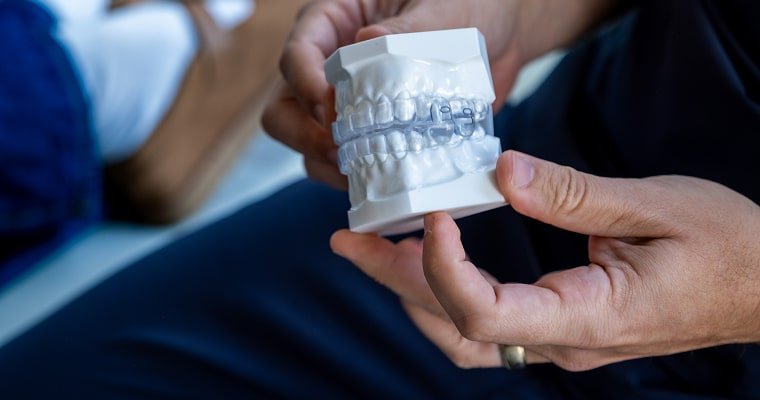
Breathing disruptions improve when the jaw moves forward
You’ll notice the difference almost immediately. As the oral appliance moves your jaw forward, your airway opens naturally. This reduces snoring, nighttime awakenings, and episodes where you stop breathing.
Many patients describe a sense of relief that’s hard to explain—like breathing finally feels effortless. In a matter of weeks, they sleep more deeply, wake up feeling refreshed, and experience significantly less daytime sleepiness compared to CPAP struggles.
Treating untreated sleep apnea lowers health risks
Untreated sleep apnea isn’t just about being tired. It raises your risk for high blood pressure, heart disease, stroke, diabetes, depression, and memory loss.
Using an oral appliance consistently can help reduce these risks by ensuring your airway stays open all night. At Washington Center for Sleep, we emphasize that effective treatment isn’t optional — it’s essential for long-term health and better everyday functioning.
Your sleep specialist may recommend combined therapy
Sometimes the most effective plan isn’t one or the other — it’s a combination. For some patients, using CPAP for part of the night and an oral appliance for the other part works best. This hybrid approach ensures your airway stays open without sacrificing comfort.
Dr. Koogler tailors treatment to your unique needs, using therapy data to track progress and make adjustments that fit your sleep patterns and lifestyle.
How nasal mask problems push patients toward oral appliances
Nasal masks can cause frustration, especially if you have congestion, allergies, or tend to breathe through your mouth. Full-face masks can feel bulky, claustrophobic, or irritating to your skin.
Many patients in Bellevue, WA, switch to oral appliances because they eliminate these problems. You won’t have to worry about mask leaks, uncomfortable straps, or waking up with a dry mouth.
It’s a simpler, quieter way to get the same health benefits CPAP aims for.
How therapy data confirms your progress
We use therapy data from your sleep study and follow-ups to track improvements in breathing and oxygen levels. This isn’t just numbers—it shows real change in your daily life.
Patients notice they wake up less, feel more energized, and enjoy better concentration. Dr. Koogler reviews this data with you to fine-tune the device and make sure the oral appliance keeps working effectively night after night.
How to talk to your doctor about a better treatment plan
Open communication is key to successful sleep apnea management. Bring notes about your CPAP struggles, daytime sleepiness, mask discomfort, or airway issues to your next appointment.
Ask about oral appliances, therapy data, or hybrid treatment plans.
At Washington Center for Sleep, we’ll walk you through every option, adjust devices for your comfort, and create a plan that finally gives you consistent, restorative sleep without the frustration of a CPAP mask.